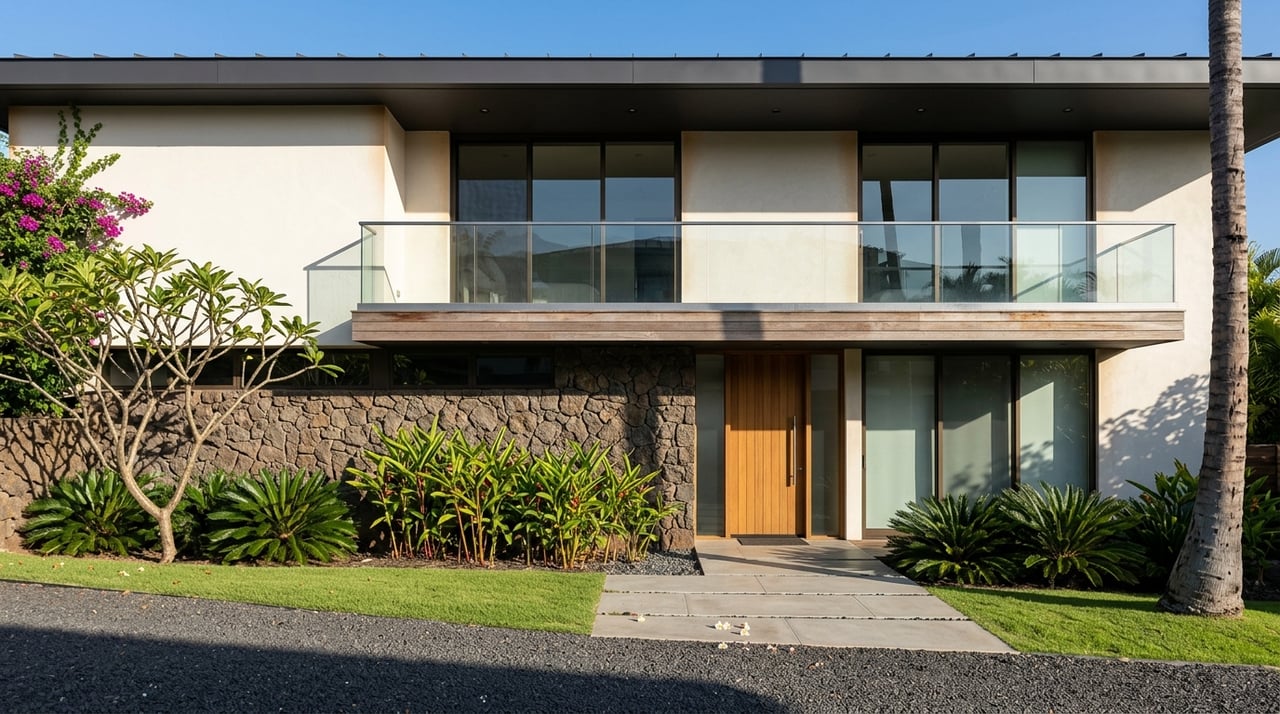
Diamond Head Neighborhood Lifestyles by Living Pocket
June 25, 2026
June 25, 2026
If you are drawn to Diamond Head, chances are you are not looking for just one kind of Honolulu lifestyle. You may want ocean proximity, open green space, a strong sense of place, or a more residential hillside setting, all within one connected part of town. In the Diamond Head, Kapahulu, and St. Louis Heights area, those choices sit surprisingly close together. This guide will help you understand how the area breaks into distinct living pockets and what daily life can look like in each. Let’s dive in.
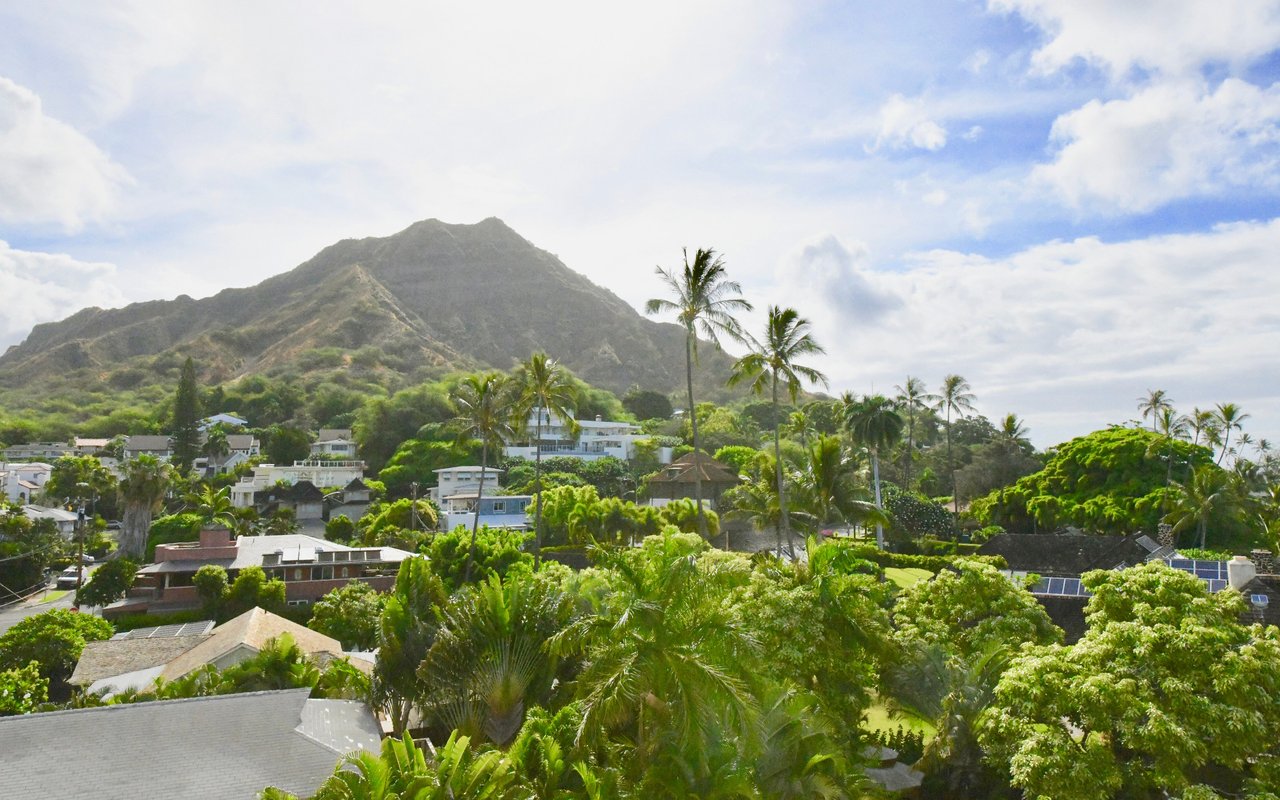
Diamond Head, Kapahulu, and St. Louis Heights meet at a rare junction in Honolulu. Here, Waikīkī’s eastern edge transitions into a landmark crater, major public parkland, a shoreline fringe, and an uphill residential ridge.
That geography shapes almost everything about the area. The City and County of Honolulu’s Diamond Head special district is intended to preserve prominent public views, protect the natural appearance of Diamond Head, and maintain the park-like character of the lower slopes, including Kapiʻolani Park. As a result, the area often feels visually open, landscape-driven, and closely tied to its surroundings.
If you want the part of this area that feels most residential, St. Louis Heights usually stands out. Its identity comes from an uphill subdivision history rather than a commercial corridor, which gives it a ridge-based, neighborhood feel.
The area’s roots go back to 1923, when the Marianists bought Kaimukī land for Saint Louis School and later sold nearby acres higher on the mountain. Those acres were eventually subdivided into 400 residential lots, with streets named after teachers. That history still helps explain why the neighborhood feels established and primarily residential.
Living uphill changes your experience in a practical way. You are more connected to ridgeline views and a quieter residential pattern than you are to shoreline activity.
Waʻahila Ridge State Recreation Area reinforces that identity. The trail above the area offers views of Mānoa Valley, Pālolo Valley, Honolulu, and the Koʻolau Range, along with native forest and birdlife. For many buyers, that kind of setting adds a sense of retreat while still keeping the urban core within reach.
If you picture morning walks, broad lawns, and easy access to public recreation, the park-adjacent pocket near Kapiʻolani Park offers a very different feel from the hillside. This part of the area feels more open, public, and connected to landmark destinations.
Kapiʻolani Regional Park was dedicated by King Kalākaua as a place of natural beauty and recreation grounds. Today, the park remains a major green space that supports walking, picnicking, bird viewing, and day-to-day outdoor use. That creates a living environment shaped by open space rather than dense commercial activity.
This pocket also sits beside some of Honolulu’s best-known public attractions. The Honolulu Zoo and Waikīkī Aquarium are part of the area’s everyday backdrop, and the aquarium sits on the shoreline in Kapiʻolani Park within walking distance of Waikīkī Beach.
For homeowners, that means the setting can feel active and scenic at the same time. You are not just near a park. You are living beside one of Honolulu’s most recognized public landscapes, with Diamond Head rising behind it.
The coastal-adjacent pocket near Diamond Head’s ocean-facing side offers another version of the neighborhood. It is tied to the shoreline, but it does not feel like the center of a resort strip.
This edge sits near the eastern side of Waikīkī’s coastline and is influenced by surrounding parkland, the monument, and a preservation-oriented framework. Nearby marine rules also define a Waikīkī to Diamond Head shoreline management area extending from the Natatorium to Diamond Head Lighthouse. In day-to-day terms, the area feels connected to the coast while still buffered by open land and the monument’s strong physical presence.
One of the defining features of the Diamond Head side is how carefully views and landscape character are treated. The local special district is specifically intended to preserve public views and the crater’s natural appearance.
That framework helps explain why this pocket often feels view-conscious and landscape-led. For buyers who value iconic surroundings, that can be an important part of the appeal.
Kapahulu Avenue gives this broader area much of its daily convenience and local energy. While some pockets feel residential or park-oriented, Kapahulu functions more like a neighborhood corridor for dining, errands, and repeat stops.
Go Hawaii describes Kapahulu as a local neighborhood about five minutes from eastern Waikīkī, with restaurants and shops covering a wide range of tastes. That includes everything from plate lunch and Hawaiian food to sushi, burgers, malasadas, and shave ice. For many residents, this makes Kapahulu less of a destination and more of a regular part of the weekly routine.
Kapahulu also looks different from the nearby ridge and park pockets. Historic Hawaiʻi Foundation describes a consistent Art Moderne pattern along parts of Kapahulu Avenue, with late-1930s and 1940s buildings, curving awnings, horizontal lines, and storefronts that meet the sidewalk.
That streetscape gives the avenue a lively, corridor-like feel. It reads as an active urban edge rather than a purely residential street.
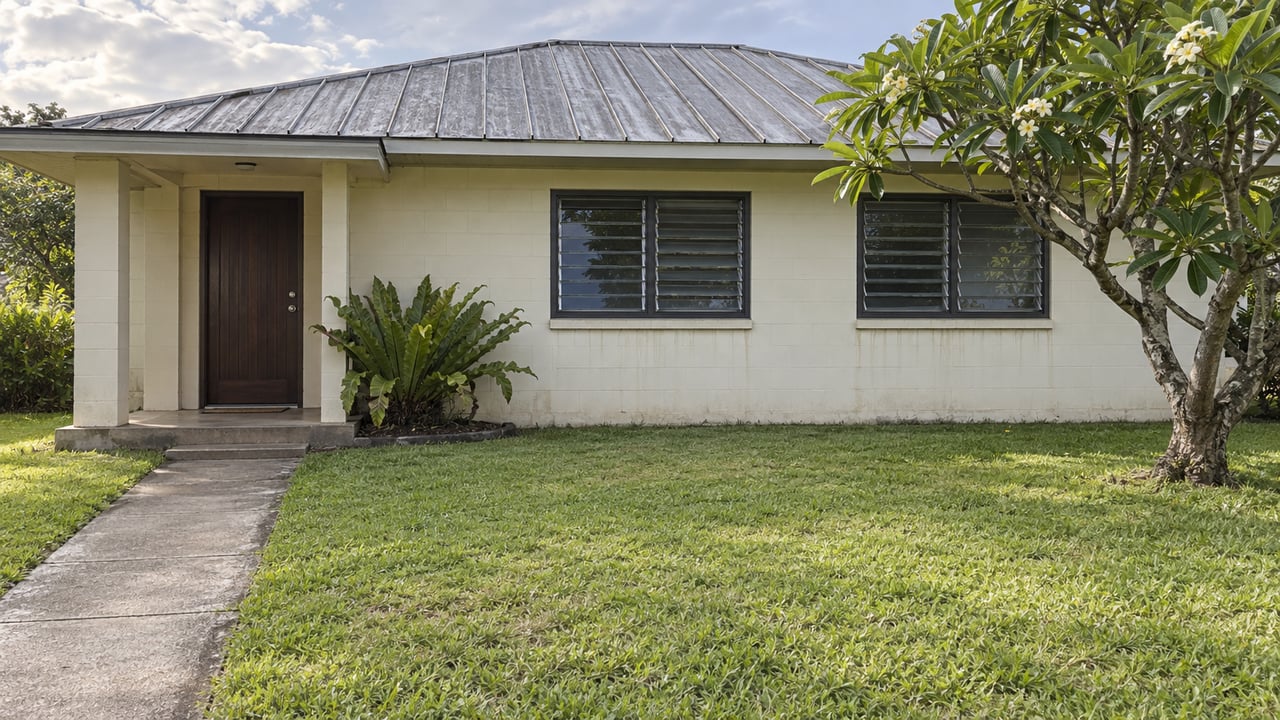
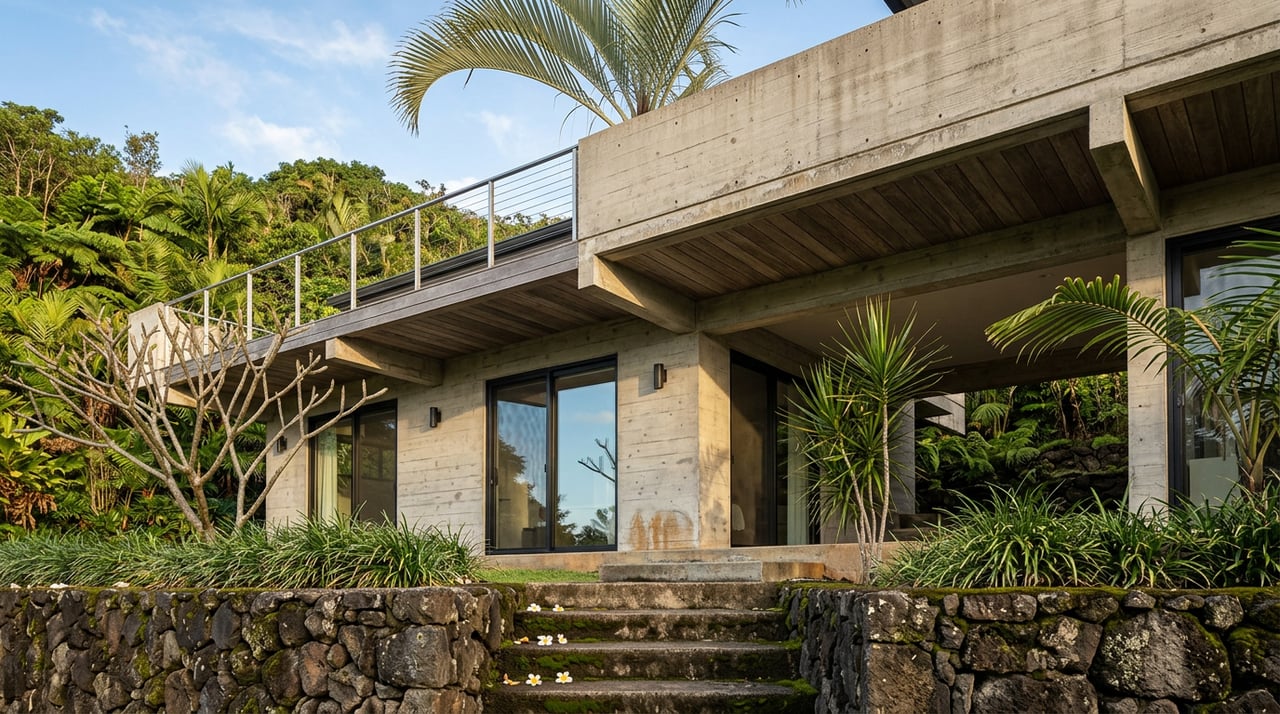
One of the most interesting parts of living around Diamond Head is that the housing stock is not uniform. Instead, the area includes layers of architectural styles shaped by slope, street pattern, and historic development.
In Diamond Head Terrace, documented examples include modest bungalows with Spanish or Mediterranean influences and Hawaiian-style duplexes with double-pitched hipped roofs, overhanging eaves, and exposed rafter tails. Other Diamond Head properties include a Hawaiʻi Regional-style residence by Vladimir Ossipoff and a later tropical Brutalist home integrated into the slope.
For buyers, this variety means home searches here often depend on micro-location and setting rather than one standard neighborhood template. A property near the park, along the coast, or higher up the ridge can offer a very different living experience.
For sellers, that same variety makes positioning especially important. In a market where view relationships, landscape context, and architectural character all matter, careful neighborhood-specific representation can make a meaningful difference.
This area is well suited to an outdoor routine. Morning options include the Diamond Head summit trail, Waʻahila Ridge Trail, and walks through Kapiʻolani Park.
Diamond Head State Monument itself covers more than 475 acres, and its summit trail is only 0.8 mile but gains 560 feet. Kapiʻolani Park also offers easy access for bird viewing and casual recreation. If you like starting the day outside, that is a real lifestyle advantage here.
Later in the day, life often shifts toward practical convenience and neighborhood dining. Kapahulu Avenue’s restaurants and shops make casual meals and errands feel easy rather than planned.
The area also works well as a short-hop location. The Waikīkī Aquarium can be reached by TheBus, trolley, or car, and its directions make clear that Kapahulu Avenue runs directly toward the ocean edge. That supports a lifestyle where beaches, park space, and dining can become part of your regular rhythm.
Choosing between these pockets often comes down to what you want your everyday surroundings to emphasize most. Even within a relatively compact area, the experience can shift quickly.
Here is a simple way to think about it:
Around Diamond Head, broad neighborhood labels only tell part of the story. The difference between hillside, park-side, and coastal-adjacent living can have a real effect on privacy, views, walkability, and day-to-day rhythm.
For buyers and sellers in this part of Honolulu, that makes local context especially important. Understanding how each pocket lives, not just how it maps, is often the key to making a smart decision.
If you are considering a move in or around Diamond Head, Kapahulu, or St. Louis Heights, Cedric Choi offers discreet, market-informed guidance tailored to Honolulu’s high-value neighborhoods.
Explore additional stories, insights, and market updates from our team.
Partner with Honolulu luxury real estate leaders for a seamless, results-driven experience backed by global reach.
GET IN TOUCH
ADDRESS 4614 KILAUEA AVE SUITE 201 HONOLULU HI 96816