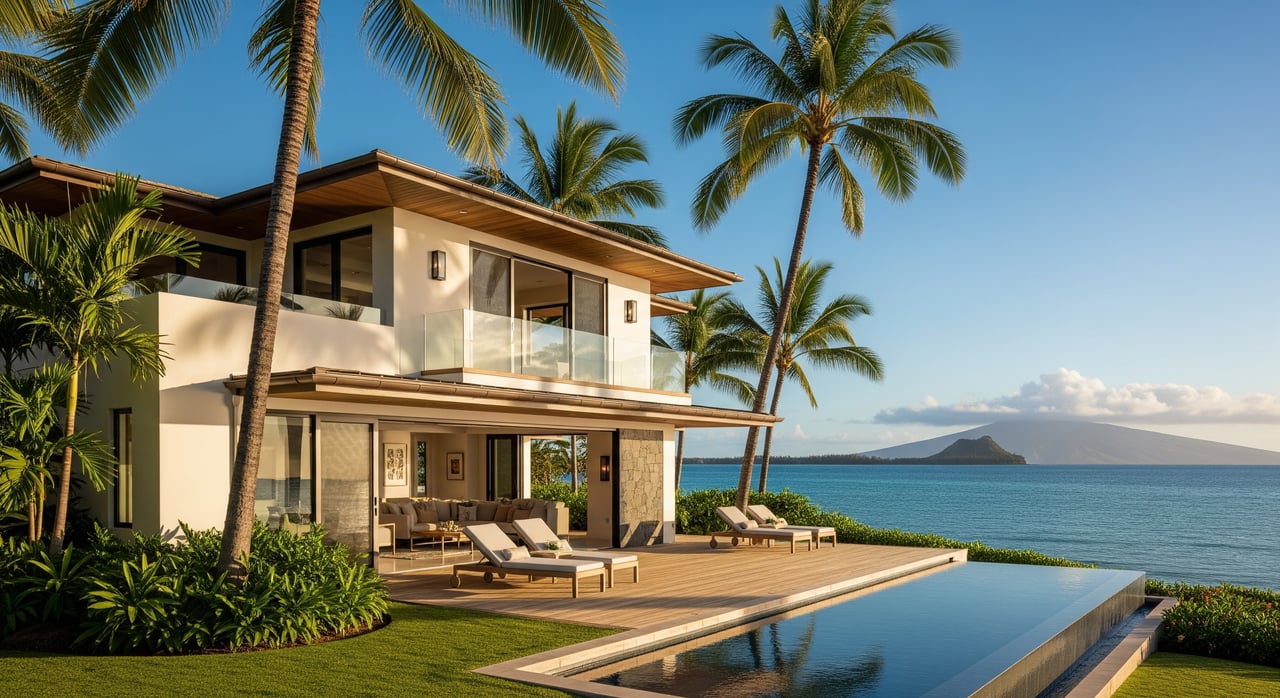
Finding the Best Time to Sell Your Kailua Home
January 1, 2026
January 1, 2026
Thinking about selling in Kailua and wondering when your home will shine? Timing influences how fast you sell and how strong your final price can be. You want a plan that respects Kailua’s unique rhythms, from travel seasons to PCS moves, and the windward weather that affects showings and photos. In this guide, you’ll learn the most reliable listing windows, the metrics to monitor, and a simple timeline to prepare your home for a premium launch. Let’s dive in.
Kailua’s market is active year-round, but buyer interest tends to be stronger in two periods. The primary window usually runs from late January through April. A secondary window often opens from mid-June through August. There is also a smaller opportunity in late September through October when competition can thin.
These windows reflect travel patterns, local relocation cycles, and inventory trends. Hawaii’s seasonal swings are more muted than many mainland markets, but Kailua still shows measurable patterns. Avoid the late-December holiday cluster and plan around rainy weeks on the windward side.
Late January through April offers a strong combination of buyer activity and relatively lean post-holiday inventory. Many out-of-state buyers visit Hawaii in winter, which increases showing traffic. Local buyers often re-engage after the holidays, creating a clean runway for new listings.
Winter months bring more rain to windward Oʻahu. That can dim curb appeal and complicate photography. If you target this window, watch the forecast and schedule exterior photos on a clear day to present your home at its best.
Mid-June through August aligns with family schedules and military PCS cycles that often peak from late spring into summer. Buyers who want to settle before the school year tend to shop in this period. Relocating households often time closings for a smooth move-in.
Summer days can be ideal for exterior and drone photos when skies cooperate. If you list in this window, plan your launch timing to maximize weekend showings during school breaks and PCS arrivals.
Late December is generally quiet for active listings. Many buyers and agents are focused on holidays, and attention is elsewhere. If you must list during this time, set expectations for slower traffic and a longer exposure period.
Kailua also sees variable windward showers and trade winds. Rainy weeks can make exteriors look flat and limit drone flights. Whenever you list, keep your photography schedule flexible so your visuals align with clear weather.
The right week inside a strong season can add real leverage. Confirm timing with up-to-date, neighborhood-level metrics from local MLS sources. Track these weekly or monthly in the 4 to 6 weeks before you go live.
Look at the same month across several years to see recurring patterns. If your chosen window shows historically lower DOM and tighter inventory, you can list with more confidence. Watch for sudden inventory spikes that could change the optimal week within your target month.
For Kailua, rely on neighborhood and ZIP-level reporting from authoritative local sources such as the local MLS and professional associations. Public records can support closed price verification. Third-party aggregators can offer broad context, but local MLS data is the benchmark for precision.
Work from your ideal closing date to choose the best listing week. Then set a preparation schedule so your home launches in peak condition.
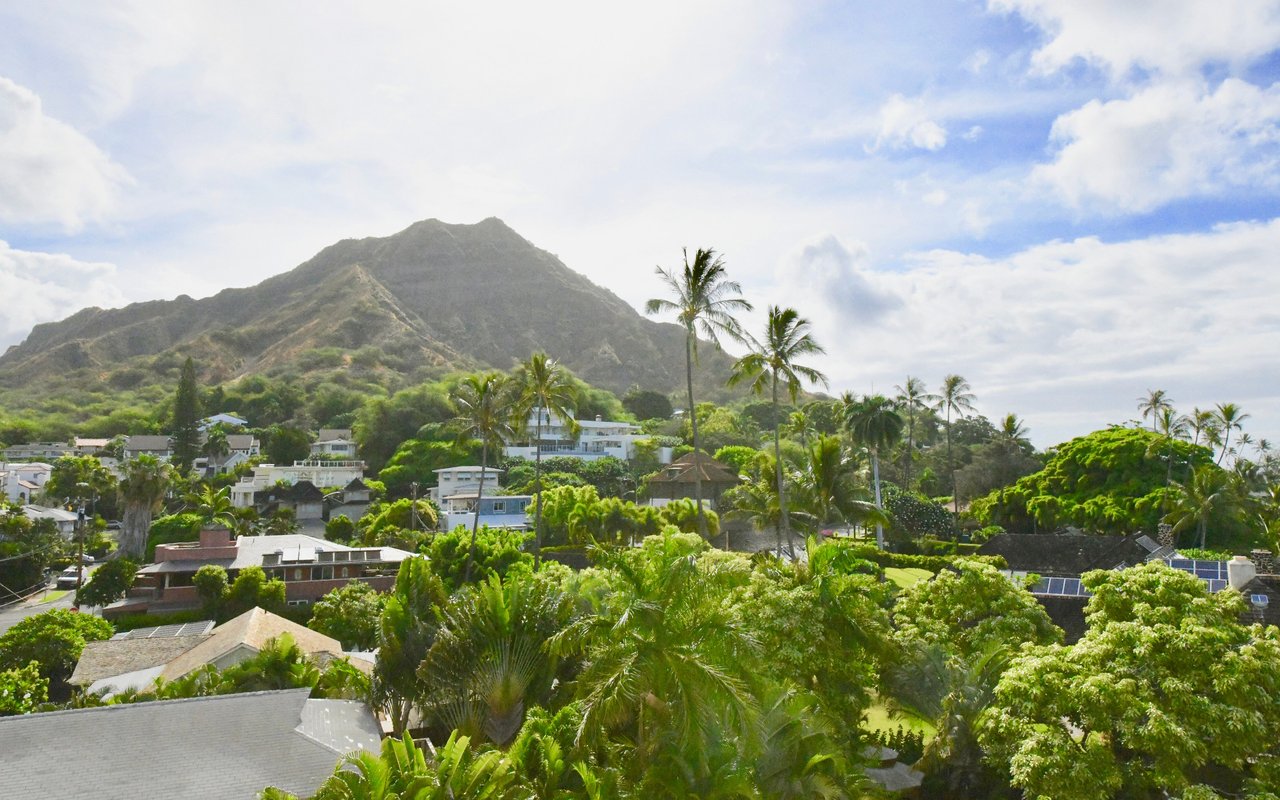
Windward Oʻahu’s rainy season can change plans quickly. Protect your curb appeal by timing exterior work for a dry stretch and refreshing plantings just before photos. On clear days, drone shots that showcase Kailua’s coastline and mountain views can elevate a premium listing. Keep your schedule flexible enough to pivot by a day or two to capture the right light and sky.
Seasonal patterns help, but pricing should always reflect current neighborhood comps and live inventory. If your preferred window lines up with historically low inventory and strong absorption, you can consider a more assertive price position. Confirm this with weeks of inventory, DOM, and list-to-sale ratios.
If your goal is to encourage multiple offers, pair precise pricing with professional staging, high-impact photography, and a clear marketing cadence. Some sellers set an offer review date after a defined period of exposure, but always align with local norms and the pace you see in your first week.
In off-peak months, plan for a longer exposure period and price closer to the center of the comps. Keep a data-backed price adjustment plan in your pocket if absorption slows or competing inventory rises.
Kailua’s micro-market is sensitive to small inventory changes. Limited new-build opportunities mean a handful of new listings can change the negotiating landscape. Watching weekly counts in your immediate neighborhood is key.
Short-term rental regulations apply across much of Oʻahu residential zoning. If you expect investor interest or intend to market rental potential, verify permitted uses before you list. This keeps your marketing accurate and compliant.
Mortgage rates shape affordability and urgency. Rising rates can thin the buyer pool, while falling rates often bring a fast jump in demand. Use rate trends for context, but give more weight to local inventory and absorption indicators when choosing your week.
Local events and holidays can affect showing traffic. Avoid listing on major holiday weeks when attention drops. If community events are likely to increase nearby foot traffic, coordinate open houses so the timing benefits interest without crowding registered showings.
Here is a simple approach to refine your timing inside a strong season:
If weeks of inventory dip below roughly 8 and DOM trends are falling, that is your cue to lean in. If inventory unexpectedly spikes, adjust your week or fine-tune pricing to maintain leverage.
Working backward helps. For an August closing, aim to be under contract by mid to late June, depending on the typical escrow length and any special contingencies. That means listing in late May or early June, right as PCS and summer travel pick up. Begin repairs and contractor work in March or April, with staging and photography completed by late May.
Late September through October can still work, especially if competing listings are light. Ask your agent to pull current weeks-of-inventory and pending ratios. If absorption is healthy and your home shows beautifully, you can still capture strong results before the holiday slowdown. Focus on precise pricing and standout visuals to command attention.
The best time to list in Kailua is usually late January through April, with a strong secondary window from mid-June through August. Hawaii’s seasonality is more subtle than the mainland, so let current inventory, DOM, and the pending-to-active ratio guide your exact week. Build a practical preparation timeline, plan photos for clear weather, and launch mid-week to capture weekend momentum.
If you want a discreet, data-backed plan tailored to your property and timeline, request a private consultation. For confidential valuation and strategy, connect with Cedric Choi.
Explore additional stories, insights, and market updates from our team.
Partner with Honolulu luxury real estate leaders for a seamless, results-driven experience backed by global reach.
GET IN TOUCH
ADDRESS 4614 KILAUEA AVE SUITE 201 HONOLULU HI 96816