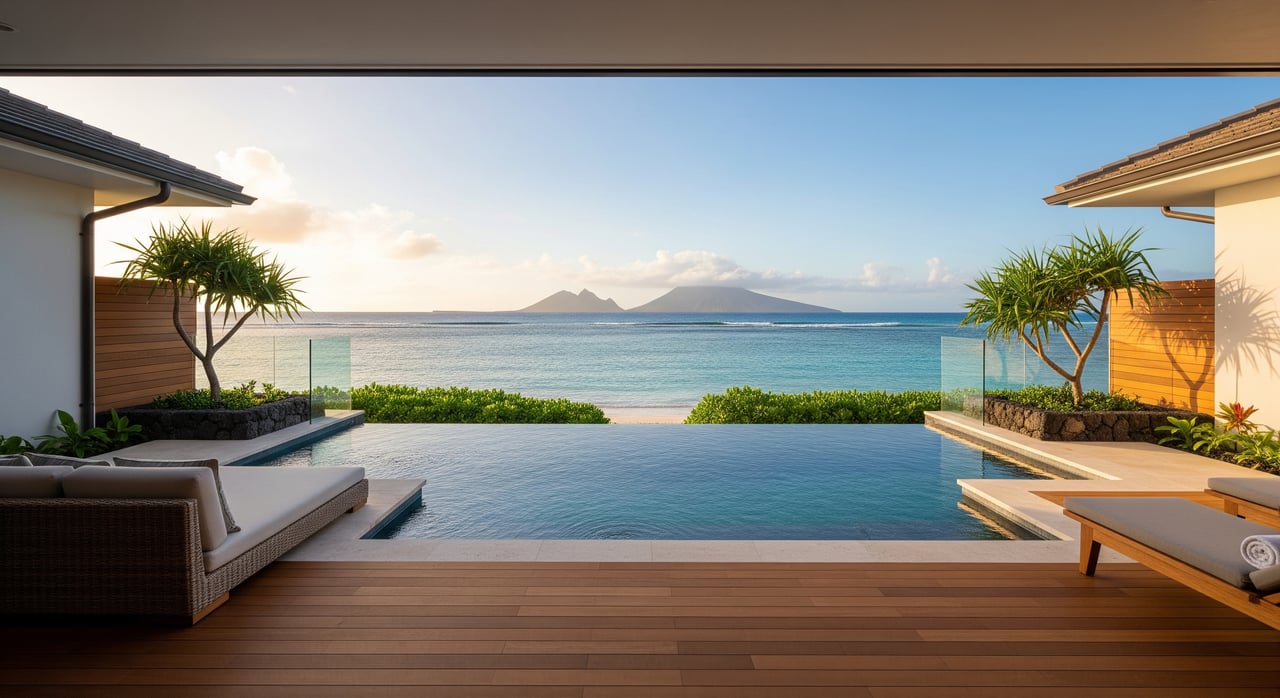
Buying an Oceanfront Home in Lanikai: Key Considerations
January 15, 2026
January 15, 2026
If you are drawn to the turquoise water and powder-soft sand of Lanikai, you are not alone. Buying oceanfront here is a rare opportunity, but it comes with rules, timelines, and risks that differ from a typical home purchase. In this guide, you will learn the essentials that shape value and feasibility on Lanikai’s shoreline, from shoreline certification and SMA permits to access, hazards, and insurance. Let’s dive in.
Lanikai sits on a low-lying, sand-fringed shoreline on windward Oʻahu. The setting is beautiful and dynamic. Properties here face coastal erosion, storm waves, and long-term sea-level rise, which can influence insurance, financing, and future work on the property.
You also share a shoreline with strong public interest. State and county rules protect public access and coastal resources. Understanding this framework is the key to making a confident, informed purchase.
The State of Hawaiʻi issues a formal shoreline certification that establishes the legal shoreline location used for setbacks and public trust boundaries. Your building envelope and any future additions are measured from this certified line. If there is no current certification, or if the shoreline appears to have shifted, you will likely need to pursue a new certification.
A current certification reduces uncertainty. It helps clarify what is private and what falls within the public trust area. It also supports clear title, smoother permitting, and realistic planning for renovations or new construction.
Shoreline certification is administered by the Department of Land and Natural Resources. A licensed surveyor must prepare a survey for DLNR review. The process can take months, so buyers often begin this early in escrow, or make certification a condition of closing.
Because timeframes vary, you should plan for a dedicated study window and potentially adjust other contract milestones. Your team will coordinate with the surveyor and the state to keep the file moving.
Honolulu’s Department of Planning and Permitting enforces shoreline setbacks that are measured from the certified shoreline. These setbacks can limit where you place structures, how you remodel, and whether new features will be permitted. Variances or exemptions exist but are uncommon and require a formal application and public review.
Before you fall in love with a renovation vision, verify the certified shoreline and setbacks. This will help you understand what is feasible and what is not.
Most Lanikai oceanfront parcels lie within the Special Management Area. Development, new structures, substantial changes in land use, and shoreline stabilization typically require SMA permits. Repairs that substantially alter existing structures may also trigger review.
Hardening the shoreline, including seawalls or revetments, is heavily regulated. State and county policy often resists new hardening because it can speed beach loss and affect public access. Expect detailed scrutiny of any proposal along with alternatives such as managed retreat or nourishment.
SMA permits are administered by Honolulu DPP. Timelines vary by the scope of work. Public and agency comments are standard, and complex projects can involve hearings. If your plans include significant shoreline work, build additional time into your due diligence and discuss contingencies with your broker and attorney.
Land seaward of the certified shoreline is typically subject to public use under Hawaiʻi’s public trust doctrine. Even where upland owners hold fee title, public use rights and state control can apply. The exact boundary and rights depend on certification, recorded documents, and case law.
Do not assume a sandy area or path is exclusive. Confirm what is private, what is shared, and what is public. Clear documentation helps prevent conflict and protects your long-term enjoyment of the property.
Ask your title company and attorney to review for:
Request copies of all recorded easements and any disclosures of known access issues. A clean, current shoreline certification will make many title questions easier to resolve.
Lanikai’s popularity means some access paths cross or adjoin private parcels. Longstanding use can raise questions about prescriptive rights. Local counsel should evaluate any claims and advise you on implications for maintenance, privacy, and future improvements.
Plan to review multiple data sources during diligence. FEMA Flood Insurance Rate Maps show flood zones and Special Flood Hazard Areas, which affect insurance and building requirements. State and federal tools such as sea-level rise mapping and local shoreline change datasets provide a view of long-term risk.
Use these tools to understand whether the structure sits in a V or AE zone, the base flood elevation, and potential exposure to wave run-up or overtopping. This analysis informs both safety and affordability.
For oceanfront homes, a coastal engineer’s memo can address erosion, wave exposure, and potential structural impacts. Bluff or slope-front properties may also need a geotechnical review. A licensed survey with a certified shoreline location is foundational for all other studies.
Together, these reports help you set expectations for future maintenance, feasible mitigation, and the likely permit pathway for any work you plan.
If you finance the purchase and the home lies in a Special Flood Hazard Area, flood insurance is typically required. Premiums are rising in many coastal areas and some carriers limit coverage or exclude certain perils. Lenders may also require elevation certificates or engineering studies.
Build realistic insurance costs into your pro forma. Consider the possibility of changing premiums or coverage availability over the life of the asset. This is part of buying wisely on a dynamic shoreline.
Use this checklist to structure your escrow:
Oceanfront ownership involves more frequent maintenance than inland homes. Expect ongoing work on beach access paths, stairways, retaining structures, drainage, and vegetation to manage erosion. Larger capital items can include relocating utilities or septic, structural repairs after storms, or permitted, temporary protective measures.
Budget for specialized coastal contractors and materials. A realistic maintenance plan will protect both your home and your investment.
Routine maintenance is generally allowed. Repairs that substantially alter structures or add new hardening often require SMA and state permits. Removing dunes, altering native vegetation, or reshaping the beach can be restricted or require mitigation.
In many cases, long-term responses that rely on new seawalls are limited. Planning for adaptation rather than armoring is often the practical path.
Lanikai is a compact, high-interest beach neighborhood with strong public attention on access and natural shoreline preservation. Proposed shoreline work often draws comment and media attention. Clear communication, solid reports, and early coordination with agencies help set a cooperative tone.
Buying oceanfront in Lanikai can be deeply rewarding. With the right diligence and a disciplined plan, you can secure an exceptional property and protect your interests for the long term. If you want a discreet, rigorous approach backed by local expertise, connect with Cedric Choi for a confidential consultation.
Explore additional stories, insights, and market updates from our team.
Partner with Honolulu luxury real estate leaders for a seamless, results-driven experience backed by global reach.
GET IN TOUCH
ADDRESS 4614 KILAUEA AVE SUITE 201 HONOLULU HI 96816