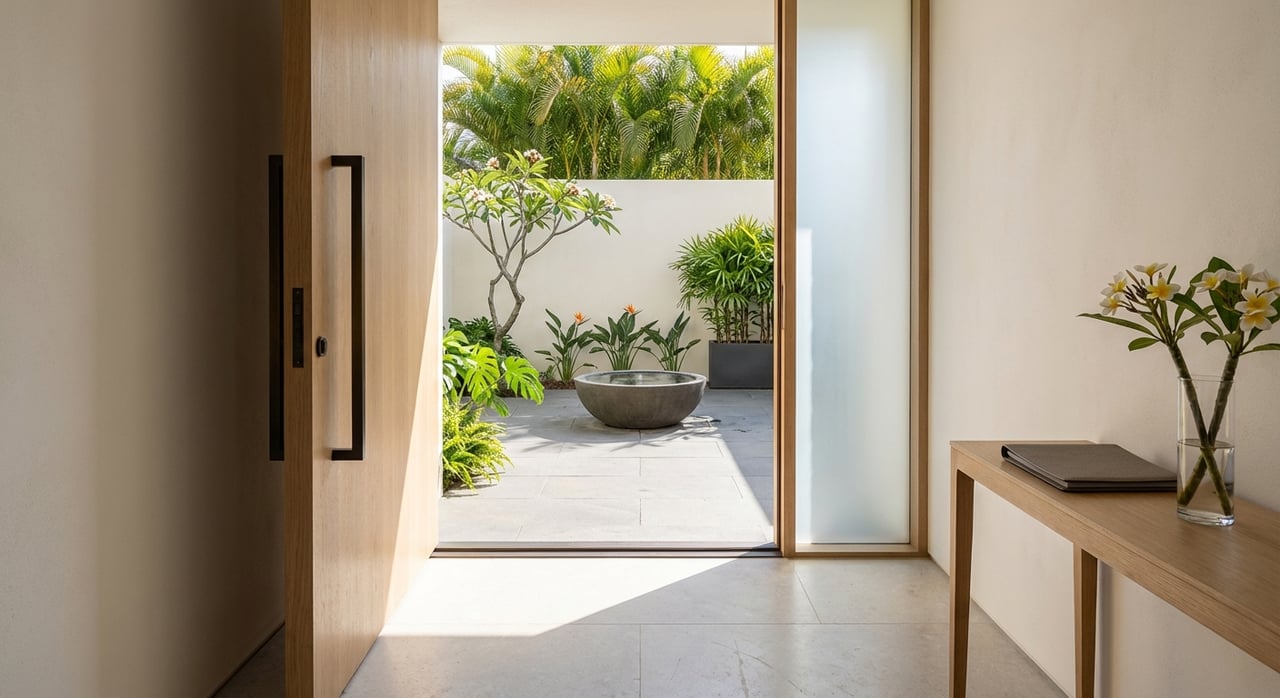
Preparing to Sell Your Kahala Luxury Home Quietly
February 19, 2026
February 19, 2026
Selling a legacy home in Waialae–Kahala can feel like walking a tightrope. You want strong results without the spotlight. You may also be balancing family needs, privacy, and timing. This guide walks you through how to prepare, protect your identity, and still create the conditions for a successful sale in one of O‘ahu’s most valuable neighborhoods. Let’s dive in.
Waialae–Kahala is often among O‘ahu’s highest value areas, with prices that vary widely from street to street and from inland lots to oceanfront estates. Local market reports note that a few ultra‑luxury transactions can move neighborhood averages in a single month, which is why ranges matter more than simple medians. You can review neighborhood context in the Honolulu Board of REALTORS’ market reporting for O‘ahu to see how a handful of high‑value sales can skew trends (HiCentral Market Report).
Press coverage also highlights rare outliers at the very top, which are helpful to treat as exceptions rather than yardsticks. For example, The Wall Street Journal covered a Kahala oceanfront listing priced in the multi‑tens‑of‑millions, a level that does not reflect most sales in the neighborhood (WSJ luxury coverage).
What this means for a quiet sale: a smaller buyer pool can reduce competition and affect final price. At the same time, a targeted outreach to qualified, motivated buyers can still deliver excellent results if it sparks a controlled, competitive process. The key is to plan the private phase well and set a clear trigger for broader exposure if needed.
Hawaii requires a written Seller’s Real Property Disclosure Statement for residential sales. Confidential marketing choices do not waive this law. Under HRS Chapter 508D, you must disclose known material facts and follow the delivery timelines set by statute. Late or missing disclosures can give buyers rescission rights, so prepare this early and in good faith (HRS 508D seller disclosures).
Hawaii also charges conveyance tax on real estate transfers. Lawmakers have considered changes to the tax structure, which means rates and thresholds can shift over time. Use the current statute or escrow guidance, and consult a tax professional for your case. You can review a recent proposal to understand how the landscape can change (conveyance tax bill example).
Your marketing path must align with local MLS rules. In March 2025, the National Association of REALTORS introduced new options that let sellers delay public syndication for a period defined by each MLS. This can keep a listing off consumer portals while still allowing cooperation among MLS participants, depending on local adoption (NAR policy overview).
Honolulu’s HiCentral MLS has updated policies and forms that govern exempted or delayed listings, office‑exclusive entries, and necessary seller consents. Before choosing any private path, confirm current HiCentral rules and how they treat delayed marketing. Ask your agent to provide written confirmation of the rules in effect when you launch (HiCentral MLS changes and guidance).
Where available, a delayed‑marketing option can list your property to MLS participants while holding back public portal exposure for a set window. This maintains agent cooperation and controlled access to information. You must sign an informed consent form, and timelines vary by MLS.
An office‑exclusive entry shares your listing only within your brokerage. This offers the tightest control but typically the smallest buyer pool. Another path is direct, one‑to‑one outreach to top agents and known buyers. You can use blind teasers that omit the address and require a signed NDA before showings. Keep communications person‑to‑person to avoid triggering a “public” marketing designation. For a plain‑language overview of private listing mechanics, see this pocket‑listing glossary (pocket listing basics).
A direct, off‑market sale to a vetted buyer delivers the most privacy. It also carries the greatest risk of limited exposure and a weaker price discovery process. If you choose this, document your informed decision and set a timeline to pivot if goals are not met.
High‑stakes sales benefit from a compact, expert team. Assemble a Kahala‑experienced listing agent, an estate or trust attorney, a tax advisor, a title and escrow officer, a luxury stager and photographer, and, if needed, a security consultant. Having everyone aligned early reduces risk and keeps the process quiet and efficient.
Ask two to three experienced Kahala brokers for comparative market analyses, and consider an independent appraisal to set a defensible floor. For oceanfront or estate‑size lots, use an appraiser with Waialae–Kahala experience. Because a few outliers can skew medians, rely on multiple comparables and recent local activity rather than a single number (HiCentral market context).
Agree on a pricing and exposure roadmap in writing. Spell out a private phase of a set number of days, what success looks like, and a trigger to expand to full MLS syndication if needed. If you plan to use an exempted or delayed option, sign the required HiCentral acknowledgments in advance.
Order targeted pre‑listing inspections such as roof, structural, pest or termite, and electrical. Keep reports confidential and share only with vetted buyers as needed. In Hawaii, cesspool or sewer status, wood‑destroying pests, permits, and other material items belong in your HRS 508D disclosures, which you should prepare early (HRS 508D statute text).
Stage the home to highlight architecture and views while removing personal items. Use professional photography and video, but host high‑resolution assets in a password‑protected gallery. Watermark images, keep the exact street address out of any public teaser, and limit access to vetted agents through secure links. NDAs are common in the luxury segment and can be required before sharing full media or plans (privacy tactics overview).
Require a signed NDA or confidentiality agreement before releasing interior photos, floor plans, or the full address. Also request proof of funds or lender pre‑approval before private showings. These steps reduce nuisance traffic and protect your identity and schedule (NDAs and vetting in luxury sales).
Limit showings to decision‑makers and their primary agent. Keep a showings log with names, dates, and feedback. If security is a concern, use identity‑screening tools offered through local MLS vendor integrations and consider a professional security adviser for high‑profile situations. Your agent can coordinate according to current HiCentral resources (HiCentral policy updates).
Tap into targeted channels that reach qualified buyers without mass advertising. These can include trusted broker networks, select private newsletters, and family office introductions. Confirm that any outreach method aligns with current HiCentral rules and your signed marketing plan.
Use written confidentiality provisions in offers and escrow instructions to limit identity sharing. Be clear about limits. When the deed records, elements of the transfer become public. Some sellers and buyers use trusts or LLCs to limit the visibility of individual names in the public record. Discuss pros and cons with your attorney and your escrow officer (privacy tools overview).
If you have more than one vetted buyer, consider a short, invitation‑only window with sealed bids or a private auction. Define dates, proof‑of‑funds requirements, and terms in writing so the process is orderly and fair. This approach can deliver price discovery while you maintain control of publicity (sealed bid concept).
In addition to conveyance tax, your situation may involve capital gains, entity or trust considerations, and closing fees. Because state proposals can change the numbers over time, coordinate with a Hawaii‑licensed tax professional and your attorney early. To understand the policy environment, review recent legislative efforts on conveyance tax reform (Hawaii bill example).
If the home is part of an estate, confirm whether the personal representative has authority to sell and whether court confirmation is required. Hawaii’s Uniform Probate Code and related updates govern these powers. If the property is held by a trustee or in joint tenancy, a sale may avoid probate, but you should verify with counsel (Hawaii probate reference).
Legacy estates can involve multiple heirs with different goals. Consider a written family agreement, mediation, or structured buyouts to keep the process cooperative. If disputes persist, a partition action might be possible but can be costly and time‑consuming. Your attorney can outline options and timelines.
Preparing well lets you protect your privacy while preserving the conditions for top results. If you want a discreet, structured sale in Waialae–Kahala, we can help you build a plan that fits your goals and family needs. To start a private conversation, contact Cedric Choi to request a confidential home valuation.
Explore additional stories, insights, and market updates from our team.




Partner with Honolulu luxury real estate leaders for a seamless, results-driven experience backed by global reach.
GET IN TOUCH

ADDRESS 4614 KILAUEA AVE SUITE 201 HONOLULU HI 96816