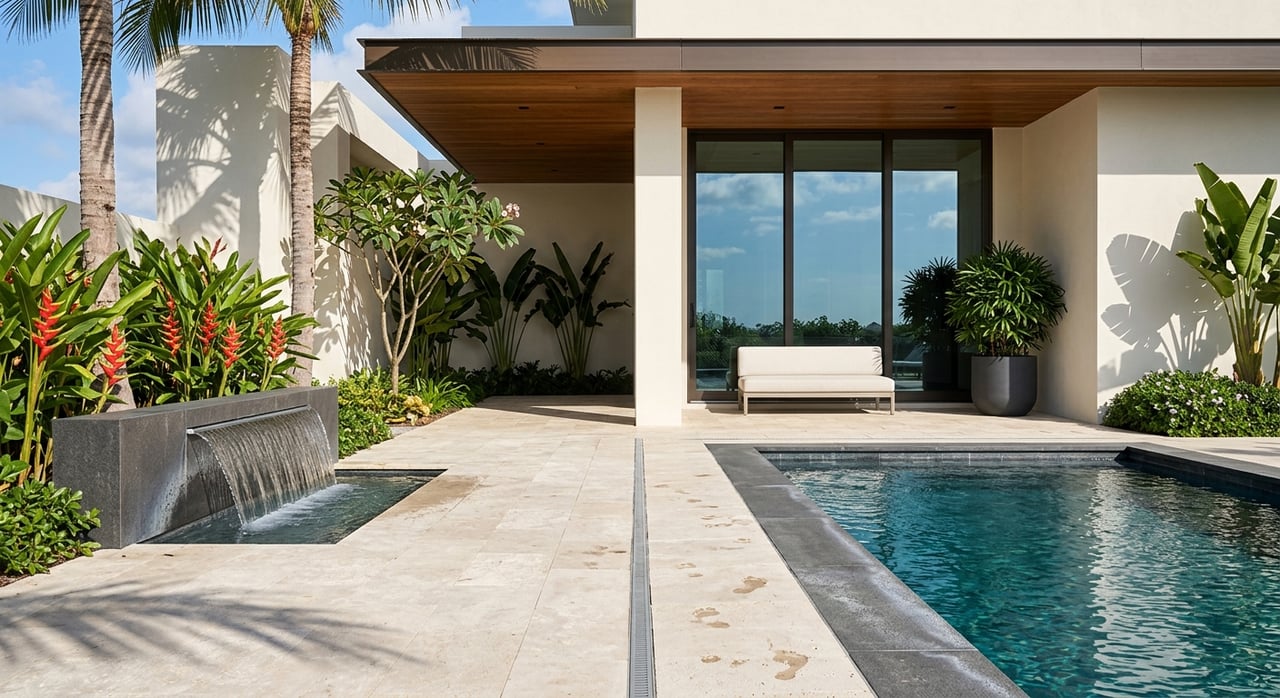
Is the West Oahu Resort Lifestyle Right for You?
May 7, 2026
May 7, 2026
Are you looking for an Oʻahu lifestyle that blends shoreline access, resort amenities, and everyday convenience in one part of the island? West Oʻahu stands out because it is more than a vacation backdrop. It is a growing resort and residential corridor shaped by master-planned communities, recreation, dining, and daily services. If you are wondering what it actually feels like to live here, this guide will walk you through the experience. Let’s dive in.
West Oʻahu is not defined by one single neighborhood. The City and County of Honolulu’s ʻEwa Development Plan frames the area as a broader secondary urban center built around Kapolei, Ko Olina Resort, the University of Hawaiʻi West Oʻahu, and related planned districts.
That planning matters if you are thinking about lifestyle. It helps explain why the area feels like a connected live-work-play region instead of a narrow resort strip. The vision includes residential communities, open space, shoreline resources, and support for walking, biking, and transit use.
For you as a buyer, that can translate into a different kind of island living. You may find the appeal is not just about ocean views or leisure amenities, but also about how daily life can fit together more smoothly.
Ko Olina is one of the best-known resort communities in West Oʻahu, and for good reason. It is a 642-acre gated, master-planned resort on Honolulu’s western Leeward Coast, located about 17 miles from the airport and less than an hour from downtown Honolulu.
The lifestyle here is built around a clear set of amenities. The resort describes four lagoons connected by more than 1.5 miles of seaside pathways, along with a marina, golf, shopping, dining, and residential neighborhoods.
That mix gives Ko Olina a polished, destination-style feel while still supporting year-round residential living. Rather than feeling separate from everyday life, the community is designed so recreation, scenery, and homeownership can exist side by side.
If you picture mornings on a walking path by the water, afternoons near the golf course, and dinners close to home, Ko Olina is built for that rhythm. The lagoons and pathways make it easy to enjoy the shoreline in a more structured, accessible setting.
Residential choices also add to the appeal. According to resort materials, Ko Olina includes beachfront villas, condominium residences, fairway townhomes, golf estates, and plantation-style cottages.
That variety matters because buyers are not all looking for the same kind of ownership experience. Some want a lock-and-leave condominium, while others may prefer a larger home tied more directly to golf or shoreline surroundings.
Another major part of the West Oʻahu resort identity is Hoakalei and the broader Wai Kai vision. Hoakalei is a 726-acre master-planned resort community on Oʻahu’s southwestern shore, and its current footprint includes four residential neighborhoods and the private Hoakalei Country Club.
Wai Kai adds another layer to the area’s water-focused identity. Its plan centers on a 52-acre lagoon and includes shoreline access, restaurants, a café, retail, events, and a large standing surf wave.
For you, this creates a different flavor of resort living than Ko Olina. Instead of protected lagoons and a traditional resort layout alone, this part of West Oʻahu leans into active recreation, waterfront gathering spaces, and a more contemporary lagoon-centered experience.
Hoakalei’s lifestyle materials emphasize walking, strolling, biking, running, lagoon recreation, and beach access. That gives the community a strong outdoor rhythm that many buyers are looking for when they picture West Oʻahu living.
This is part of what makes the region attractive beyond a short-term visitor mindset. The appeal comes from how the outdoor features can become part of your regular routine, not just an occasional treat.
A major reason buyers explore West Oʻahu is simple: access to the water takes different forms here. The area offers protected swimming areas, surf-oriented shoreline, and paths for coastal walks, rather than one single beach experience.
Ko Olina’s four lagoons are the signature example. They combine sandy shoreline with seaside pathways that are built into the master plan, creating a setting that supports both scenery and ease of use.
Hoakalei and Wai Kai offer another side of the experience. There, the focus includes trail access around the lagoon, shoreline access, and proximity to White Plains Beach surf spots.
For many buyers, that range is important. You may want calm water one day, a shoreline walk the next, and a more active surf-oriented setting on another weekend.
If golf is part of your lifestyle, West Oʻahu has two notable anchors. Ko Olina Golf Club offers an 18-hole championship course, while Hoakalei Country Club features an 18-hole, 7,400-yard course designed by Ernie Els.
These courses help shape the area’s character. They reinforce the idea that West Oʻahu is not just beach-oriented, but also tied to a broader resort standard that includes recreation, views, and a more curated residential setting.
For some buyers, golf course adjacency or access is a meaningful part of the search. For others, it simply adds to the overall atmosphere and long-term appeal of the surrounding communities.
Resort living works best when daily convenience feels close at hand. In West Oʻahu, dining is a real part of the experience rather than an afterthought.
Ko Olina’s dining lineup includes fine dining, beachside lounges, casual cafés, poke, and resort bars across venues tied to the Four Seasons, Aulani, Ko Olina Center, Ko Olina Golf Club, and Marriott’s Ko Olina Beach Club. Examples listed in official materials include Noe, Monkeypod Kitchen, Longhi’s, 808 Craft House, Mekiko Cantina, and Tropic Poke.
That variety helps support different moods and schedules. You may want a more polished dinner setting one evening and a quick, casual meal after the beach the next.
One of the biggest misconceptions about West Oʻahu is that it is only about resorts. The planning framework says otherwise.
Kapolei is identified by the city as West Oʻahu’s secondary urban center, and that role is significant. It supports the idea that the region is meant to function as a full lifestyle area with homes, services, jobs, recreation, and transportation connections.
For buyers, that broadens the conversation. A resort-oriented setting can feel much more livable when it also connects to shopping, dining, services, and civic growth.
Ka Makana Aliʻi is a major part of that daily-life picture. It describes itself as the Center for West Oʻahu, with phase one including a 1.4-million-square-foot regional mall, more than 100 stores and restaurants, plus a theater and hotel.
That presence reinforces an important point. West Oʻahu’s appeal is not limited to shoreline beauty or private amenities. It also includes a practical layer of retail and dining that helps the area function as a place where you can live full time.
Hoʻopili adds another dimension to the story of West Oʻahu. It describes itself as West Oʻahu’s newest master-planned community and says it is designed to bring jobs, services, goods, and recreation within walking or biking distance.
It also points to planned parks, gathering places, and a recreation center. This reflects the same broader planning direction seen across the region, where residential growth is paired with connected amenities and transportation goals.
For you, that means West Oʻahu can appeal even if your definition of resort lifestyle is broader than a beachfront address. The area increasingly offers planned neighborhoods that support recreation and convenience as part of everyday life.
West Oʻahu often resonates with buyers who want several lifestyle features in one region. The strongest match is usually someone looking for shoreline access, golf, planned neighborhoods, and everyday conveniences all within a connected part of Oʻahu.
That does not mean every community feels the same. Ko Olina, Hoakalei, Wai Kai, Kapolei, and Hoʻopili each contribute something different, from classic resort amenities to newer master-planned living patterns.
If you are exploring where your priorities fit, it helps to think in layers:
The most important takeaway is that West Oʻahu is not just a place to visit. Based on the city’s planning framework and the area’s established communities, it is increasingly a complete lifestyle region that blends resort character with residential function.
That balance is what draws many buyers in. You can enjoy the visual and recreational benefits associated with a resort setting while also having access to the types of services and community infrastructure that support everyday life.
For buyers considering Oʻahu with a long-term lens, this part of the island deserves a closer look. If you want guidance on how West Oʻahu fits into your broader home search, Cedric Choi offers discreet, high-touch representation shaped by deep local market knowledge.
Explore additional stories, insights, and market updates from our team.
Partner with Honolulu luxury real estate leaders for a seamless, results-driven experience backed by global reach.
GET IN TOUCH
ADDRESS 4614 KILAUEA AVE SUITE 201 HONOLULU HI 96816