How to Sell an Ala Moana Condo With Fewer Surprises
May 14, 2026
May 14, 2026
If you are selling a luxury condo in Ala Moana, a beautiful unit alone is not enough. In today’s market, buyers are comparing fees, reserves, insurance, views, and building documents just as closely as they compare finishes and floor plans. When you understand what luxury condo buyers are really evaluating, you can position your property more clearly, price it more precisely, and avoid surprises during escrow. Let’s dive in.
Ala Moana and nearby Kakaʻako are not behaving like a fast-moving seller’s market. Public neighborhood data for Ala Moana-Kakaako showed a median listing price of $849,940, a median price per square foot of about $1,200, an average sale at 98% of list price, and a median of 88 days on market in March 2026.
That matters because luxury sellers cannot rely on broad neighborhood averages alone. In nearby submarkets, pricing varies widely. Kakaʻako’s median listing price was reported at $835,000, while Ward Village was much higher at $1,362,500, which shows why your condo should be priced against recent comparable sales in your building and immediate competitive set.
Broader Oʻahu condo trends support that approach. The Honolulu Board of REALTORS® reported that 2025 condo sales fell 1.1%, the median condo sales price eased to $507,250, median days on market rose to 44, and sellers received 96.6% of original asking price on the median condo sale. In January 2026, median days on market were 47 and the median condo price was $529,000.
Luxury condo pricing in Ala Moana is highly specific. Buyers will weigh your unit’s stack, floor, view corridor, upgrades, parking, storage, monthly dues, and any current or upcoming assessments. A high-floor ocean-view residence in one tower may command a very different response than a similar-sized unit in another building with different fees or reserves.
That is why recent building-level comparables should guide pricing more than broad zip-code statistics. In a buyer-leaning market, overpricing can cost you valuable time and weaken your negotiating position later. A precise launch price gives you a better chance of attracting serious buyers early.
Selling a condo in Hawaiʻi is more document-intensive than selling a single-family home. If your property is subject to a recorded declaration, Hawaii law requires specific association documents to be provided, including the articles of incorporation, bylaws, declaration and exhibits, and rules covering common areas, architectural control, unit maintenance, or assessments.
This is one reason luxury condo sales demand more preparation before the listing goes live. Buyers often review the unit itself and the project at the same time. They want confidence not only in the residence, but also in the building’s financial and operational condition.
A strong pre-list strategy starts with collecting the right documents early. Waiting until a buyer asks can slow down escrow and raise avoidable concerns.
Before listing, it helps to gather:
The Hawaii Department of Commerce and Consumer Affairs notes that buyers and their agents commonly review minutes, financials, budgets, insurance summaries, litigation, and reserve studies. They may also verify that parking assignments match the declaration and check whether enclosed lanais or other modifications were properly permitted.
Hawaii’s disclosure timing rules are important. The seller’s disclosure statement must be signed within six months before or ten calendar days after acceptance of the purchase contract. The buyer must have the chance to review it and then has 15 calendar days to rescind.
For condos subject to a recorded declaration, the association documents do not have to be provided until 10 calendar days after both parties receive a current title report. After receiving those documents, the buyer gets another 15 calendar days to examine them and rescind.
If you later learn of a material fact that directly, substantially, and adversely affects value, an amended disclosure may be required within 10 calendar days of discovery. For an Ala Moana seller, that means preparation and communication cannot stop once the property is in escrow.
For coastal Oʻahu condos, additional disclosures may apply depending on the property. Hawaii law includes notices related to flood, airport noise, tsunami inundation, and sea-level-rise exposure areas where applicable.
Honolulu also has a separate short-term-rental disclosure rule that applies before contract execution when that use is legally relevant. If short-term-rental use is being claimed, the seller must provide the required permit or registration number and tax-clearance certificates. These details should be reviewed before marketing begins so your listing is accurate from day one.
In the current condo market, buyers are paying close attention to reserves, insurance, and future repair exposure. The DCCA explains that reserve studies are intended to anticipate future repairs and replacements. If reserves are insufficient, the result can be special assessments, borrowing, deferred maintenance, mortgage challenges, and insurance concerns.
This issue has become more important as condo costs rise. The Honolulu Board of REALTORS® noted that rising insurance premiums have added strain to condominium associations, owners, and buyers. In practical terms, a luxury seller should understand the building’s reserve position and insurance picture before listing, not after a buyer starts due diligence.
If your building has a current or upcoming special assessment, clarity is usually better than delay. Luxury buyers tend to ask early whether large projects are planned, how they will be funded, and whether the assessment has already been approved.
The same applies to known repair concerns. If pre-list review uncovers issues involving spalling, roofing, plumbing, windows, elevators, or electrical systems, it may make sense to consult an engineer or contractor before bringing the condo to market. A well-prepared answer often preserves trust better than a vague one.
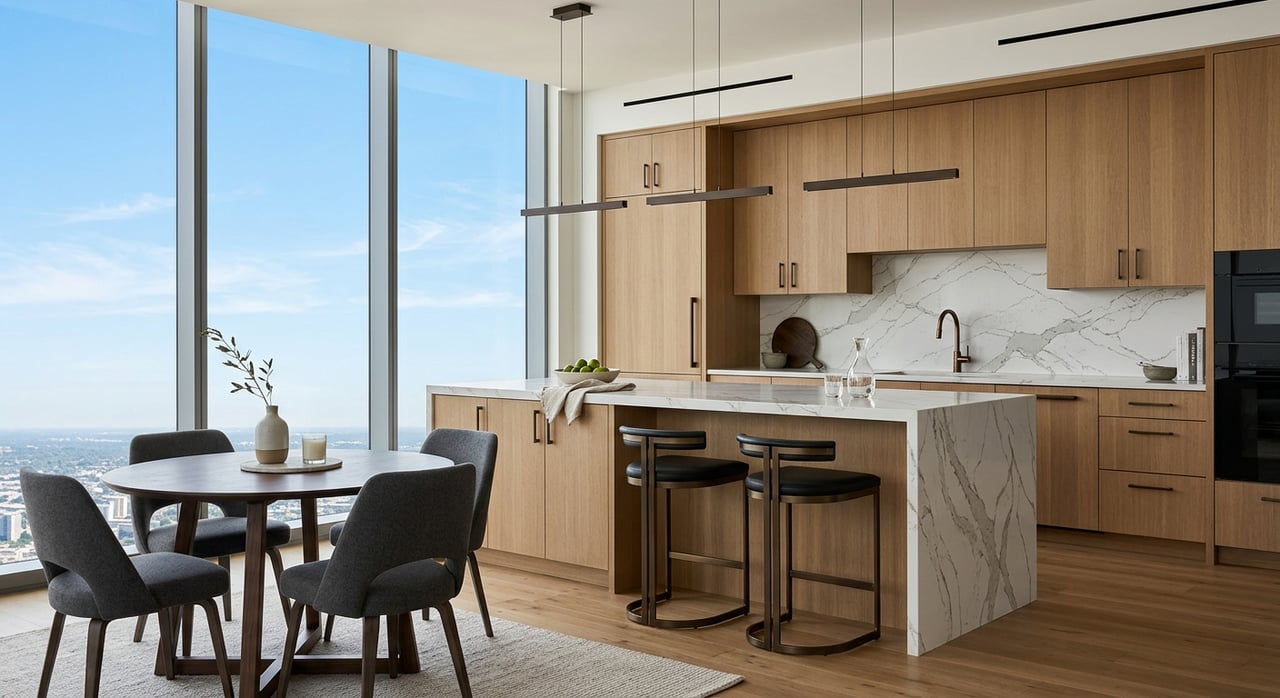
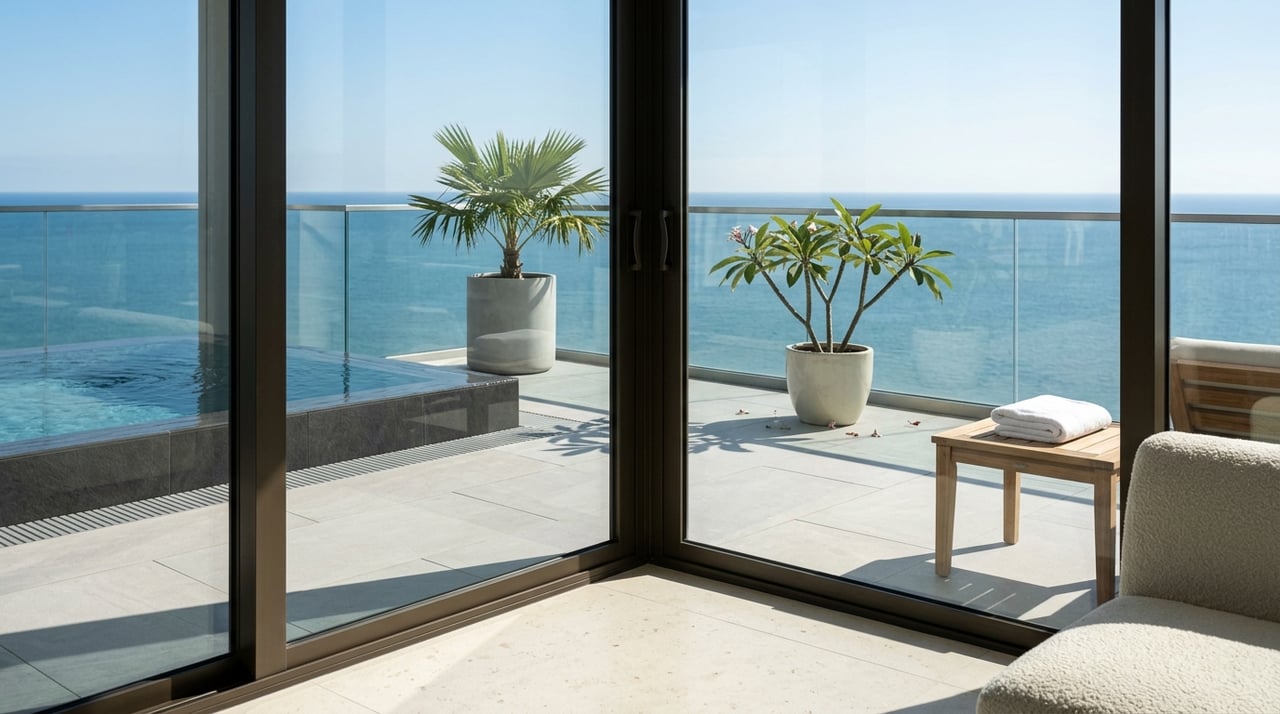
Luxury condo staging in Ala Moana should highlight what buyers will actually experience every day. In a high-rise, the value is often tied to light, views, indoor-outdoor flow, and how comfortably the space lives.
Focus your presentation on:
In older luxury buildings, visible condition matters even more. If buyers are already evaluating possible future repairs at the building level, they will also notice deferred maintenance inside the unit. A polished, well-cared-for presentation supports the perception of a well-managed asset.
Ala Moana luxury condos can appeal to local, mainland, and international buyers, so your marketing should work well even when the buyer is not standing in the unit. National data on international transactions show that foreign buyers were more likely to purchase at the upper end of the market, and many paid cash.
Those buyers often need to evaluate a property quickly and from afar. Clear digital marketing helps them decide whether your condo is worth pursuing before they schedule travel or a live tour.
Your listing materials should clearly present:
This kind of upfront clarity can reduce friction for remote buyers who are comparing multiple options across Honolulu’s luxury condo market.
A luxury condo sale often benefits from an earlier and more coordinated advisory team. In Hawaiʻi, title and escrow professionals are especially important because condo document timing is tied to the title-report process, and electronic delivery of association documents requires buyer consent.
There are situations where other advisors should be brought in early as well. An attorney or highly experienced broker becomes more important when the building has litigation, a special assessment, unusual use restrictions, or questions about whether the recorded documents match the unit as built.
A CPA or tax advisor is also important when the owner is a foreign person or the ownership structure is cross-border. FIRPTA rules generally require withholding on the sale of a U.S. real property interest by a foreign person, so tax planning should begin before the condo hits the market, not after a contract is signed.
The best luxury condo sales often feel calm on the surface because so much work happened before the first showing. When your pricing is tied to the right comparables, your documents are organized, your disclosures are current, and your building facts are ready, buyers can move forward with more confidence.
In Ala Moana, that level of preparation matters. Buyers are looking beyond granite counters and ocean views. They are evaluating the complete ownership picture, and sellers who anticipate those questions are usually in a stronger position to protect value and keep the transaction on track.
If you are considering selling a luxury condo in Ala Moana, Cedric Choi offers discreet, detail-driven guidance designed for complex, high-value properties on Oʻahu.
Explore additional stories, insights, and market updates from our team.
Partner with Honolulu luxury real estate leaders for a seamless, results-driven experience backed by global reach.
GET IN TOUCH
ADDRESS 4614 KILAUEA AVE SUITE 201 HONOLULU HI 96816