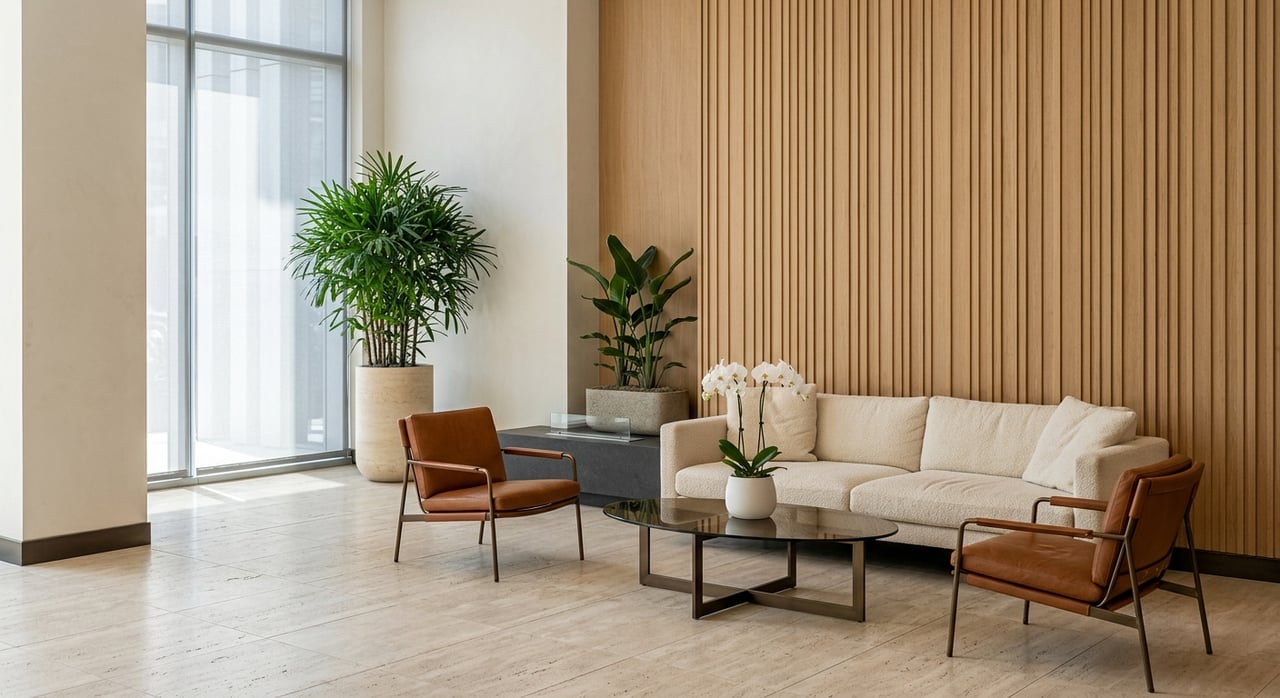
Is a Waikiki Luxury Condo the Right Second Home for You?
May 21, 2026
May 21, 2026
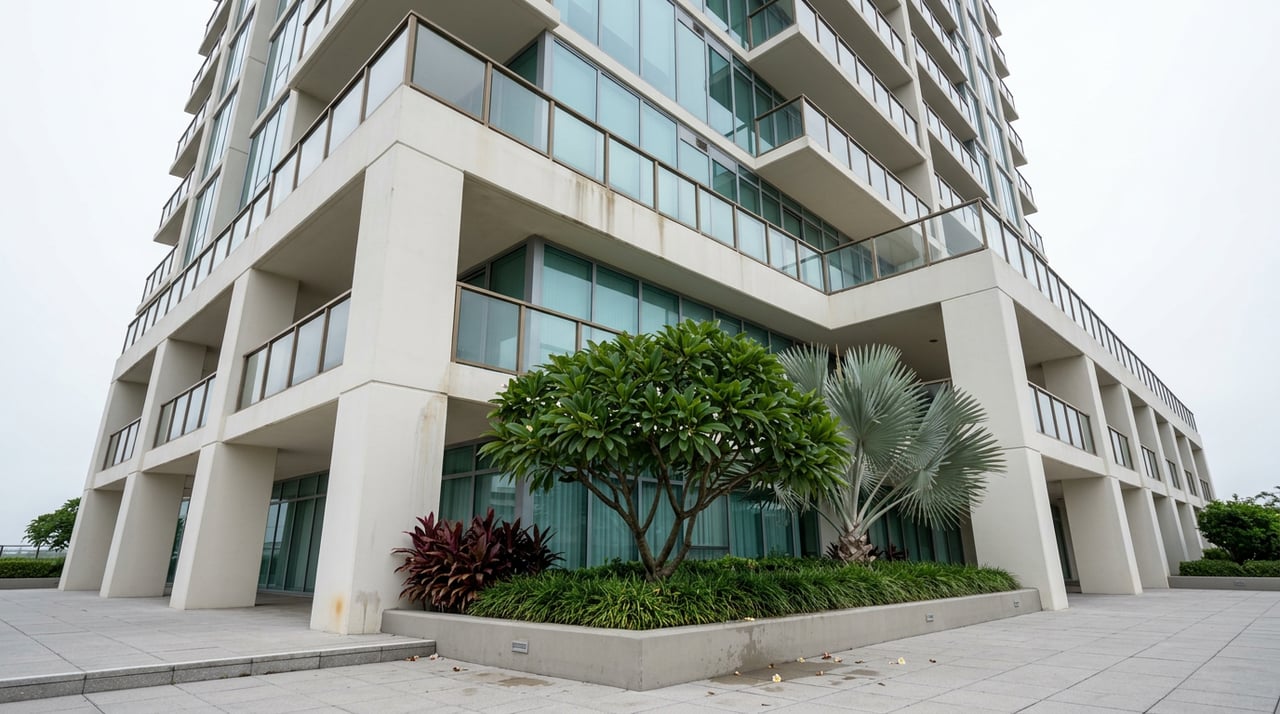
A Waikiki second home can look perfect at first glance: ocean views, hotel-style amenities, and the ease of locking the door and flying home. But the right purchase is about more than lifestyle photography. If you are considering a luxury condo in Waikiki, you need to weigh how you will use it, what the building actually allows, and how well the property is positioned for long-term ownership. Let’s dive in.
Waikiki is one of Oʻahu’s clearest second-home markets because many luxury properties are designed for convenience. You will find ocean-adjacent towers, concierge-style services, and easy access to the beach, dining, and shopping. For many buyers, that combination supports a true lock-and-leave lifestyle.
The market also gives you some room to evaluate your options carefully. In March 2026, Oʻahu condos had a median 43 days on market, according to HiCentral. That matters if you want time to compare towers, read association documents, and understand the difference between a hotel-branded residence and a more traditional condo.
In Waikiki, luxury condos often fall into a few distinct operating styles. Some are hotel-branded residences that blend private ownership with hospitality-driven service. Others function more like residential-style hotel suites, while some all-suite condo towers offer a more private, residential feel.
That difference matters because your day-to-day experience can change significantly from one building to the next. A tower with front-desk support, valet, dining, and beach services may suit you well if you want short, effortless visits. A building with a full kitchen, in-unit laundry, and larger living areas may feel more practical if you plan to stay for weeks at a time.
A beautiful lobby is nice, but the real test is whether the building fits your routine. In Waikiki, the most useful features for second-home ownership tend to be the ones that make arrival, departure, and extended stays easier.
Key amenities to look for include:
If you live on the mainland or overseas, these details become even more important. A second home should simplify your time in Honolulu, not add friction every time you land.
Before you focus on finishes or views, start with your actual use pattern. The right tower for a few holiday visits a year may not be the right tower for month-long stays.
If you expect shorter visits and want a more service-rich experience, a hotel-branded residence may be the easiest fit. If you plan to spend longer stretches in Waikiki, an all-suite condominium with more room to live, cook, and do laundry may serve you better. In many cases, the best choice is the one that matches your habits, not the one with the longest amenity list.
Many second-home buyers ask the same question: can I rent the unit out when I am not using it? In Waikiki, that answer depends on law, building structure, and house rules, not just market demand.
The City and County of Honolulu allows transient vacation use under 30 days only in designated resort areas, including the Resort District and the Resort Mixed Use Precinct of the Waikiki Special District, plus certain properties with older nonconforming-use certificates. Outside those circumstances, an unpermitted transient vacation unit cannot be rented for fewer than 30 consecutive days.
That means not every condo in Waikiki can operate like a hotel, even if it looks and feels resort-oriented. If rental flexibility matters to you, this should be confirmed early, in writing, during your due diligence.
Visitor demand in Waikiki remains meaningful, but it should be interpreted carefully. The Hawaiʻi Tourism Authority reported Waikiki vacation-rental occupancy at 60.7% in March 2026 and 64.3% year-to-date through the first quarter of 2026. Over the same March period, Oʻahu hotels posted 77.2% occupancy.
Those numbers show that there is real visitor demand, but they do not mean every condo will perform the same way. The state report does not distinguish between permitted and unpermitted units, and legality is determined at the county level. For a buyer, this is a reminder that broad market occupancy is only one piece of the decision.
For a Waikiki second home, condo documents are not just routine paperwork. They are one of the best ways to understand how the building is managed and what ownership will actually feel like.
Hawaiʻi’s condominium buyer checklist recommends reviewing:
This is where many important issues surface. You may learn how the association handles repairs, whether the building has deferred maintenance, and how it manages owner use when residents are away for long periods.
Waikiki’s location is part of the appeal, but it also raises the standard for due diligence. Coastal exposure can increase wear on building systems, and long-term resilience planning matters more here than in many inland markets.
University of Hawaiʻi research has found that large parts of Honolulu and Waikiki are vulnerable to groundwater inundation as sea levels rise. The research also notes that rising coastal groundwater can become more corrosive and may threaten buried infrastructure and building foundations. A 2026 University of Hawaiʻi study further found that Waikiki flood hazards are shifting toward tidal flooding and sewage-contaminated flooding as sea levels rise.
For you as a buyer, this does not mean avoiding Waikiki. It means paying close attention to the building’s physical condition, flood management planning, and long-range capital strategy.
Reserve funds help condominium associations prepare for major future expenses. According to the Hawaiʻi DCCA, reserves are collected for large replacement or repair items such as roofs, elevators, and other common-area components.
The DCCA also lists reserve categories that include elevators, spalling, roofs, plumbing, windows, and electrical systems. In Waikiki, especially in older or more ocean-exposed buildings, these are not abstract line items. They are key indicators of whether the association is planning responsibly or pushing today’s costs into tomorrow’s special assessments.
Insurance is another area that deserves a careful review before you commit. The Hawaiʻi DCCA states that condominium associations generally must maintain property, liability, and fidelity coverage. Flood insurance is also required if the property is in a special flood hazard area.
You will want to verify what the association’s policy covers and what you would need to insure personally. That distinction can affect both your ownership costs and your risk profile.
Once you identify the right building, the next decision is the unit itself. In Waikiki, unit selection is often about much more than bedroom count.
Floor height, orientation, and layout can shape your experience in meaningful ways. In practice, you are often choosing a view corridor, a privacy level, a noise profile, and a service experience. Some towers also offer a range of unit sizes and tiers, from lower-floor residences to upper-floor or penthouse options.
Parking and access are also worth confirming. Some buildings emphasize valet and concierge-style arrival, while others may offer more defined parking arrangements. If you will only be in Honolulu periodically, those details can matter just as much as square footage.
A Waikiki luxury condo may be a strong second-home fit if you want:
It may be an especially practical choice if your visits are periodic and you value a residence that feels turnkey the moment you arrive.
A Waikiki condo may be less suitable if you want complete control over rental use, minimal association oversight, or a more private ownership environment. It may also feel limiting if you plan to spend extended periods in Hawaiʻi and prefer larger living areas or a quieter, more residential setting.
This is why the purchase should begin with clarity about your goals. The right second home is not simply the most impressive property. It is the one that aligns with how you live, travel, and plan to own over time.
A well-chosen Waikiki luxury condo can offer convenience, service, and strong lifestyle value, but only when the legal structure, building condition, and ownership costs all support your plans. If you are weighing options in Waikiki, careful tower-by-tower analysis matters. For discreet, informed guidance on luxury condominium opportunities in Honolulu, connect with Cedric Choi.
Explore additional stories, insights, and market updates from our team.
Partner with Honolulu luxury real estate leaders for a seamless, results-driven experience backed by global reach.
GET IN TOUCH
ADDRESS 4614 KILAUEA AVE SUITE 201 HONOLULU HI 96816