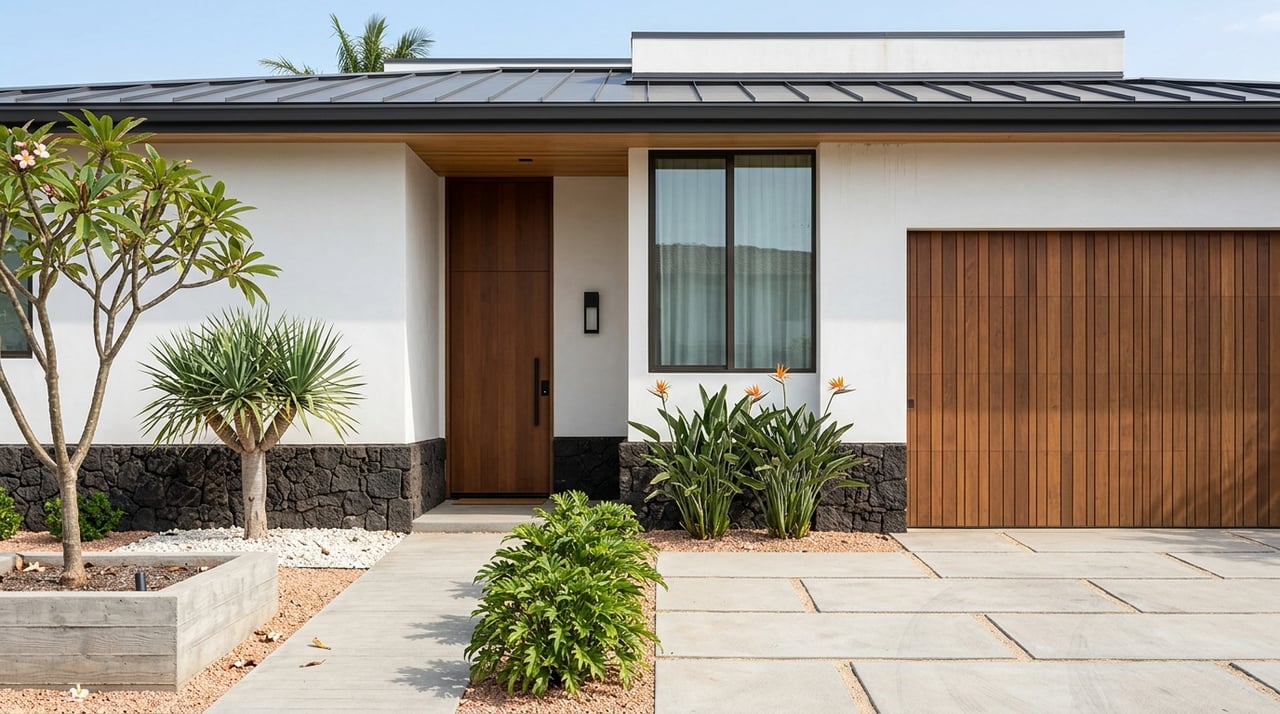
Kailua Second Home Considerations Before You Buy
June 11, 2026
June 11, 2026
A second home in Kailua can feel like a dream purchase, but the smartest buyers know it is also a decision about access, carrying costs, and long-term practicality. If you plan to use the property seasonally or leave it unattended for stretches of time, the details that matter most may not be the ones you notice first during a showing. This guide will help you evaluate a Kailua second home with a clear eye so you can buy with more confidence. Let’s dive in.
Before you focus on finishes or views, think about how the home will function during real life. A second home should be easy to arrive at, easy to secure, and manageable when you are off-island.
That means you should consider more than beach proximity. In Kailua, access, parking, road congestion, and how easily service providers can reach the property can all affect whether ownership feels seamless or stressful.
If you expect short stays, ask yourself whether the home works well for quick arrivals with luggage, groceries, and beach gear. If you plan to host family or friends, think about whether guests can park easily and move in and out without friction.
In Lanikai, logistics deserve special scrutiny. The City and County of Honolulu says public roadway access is limited to one road, there are no public parking lots for Lanikai Beach, and the area lacks restrooms, showers, and lifeguards.
The city’s transportation plan also notes severe peak-day parking pressure. On high-demand days, the plan observed more than 171 illegally parked cars on the unimproved sidewalk, which shows how constrained the area can become when visitor demand rises.
For you as a buyer, that means a Lanikai property should be judged not just by its setting, but by how easy it is to access, park at, secure, and maintain. For a second home, everyday usability often matters as much as the view.
As you evaluate properties, keep these practical questions in mind:
A second home in Honolulu is not automatically taxed like a primary residence. If you assume the tax treatment will be the same as your main home, you may underestimate your carrying costs.
The City and County of Honolulu states that the home exemption applies when the owner both owns and occupies the property as a principal home as of October 1. The filing deadline is September 30 preceding the tax year, and for qualified owners the exemption reduces taxable value by $120,000.
If your Kailua property is a second home, you should not assume that exemption will apply. That distinction can change your annual cost basis in a meaningful way.
For fiscal year 2025-26, Honolulu’s published tax rates include:
For higher-value properties, the difference between classifications can significantly affect annual ownership costs. That is why intended use should be clarified early, not after you are already in contract.
Many buyers consider offsetting costs with rental income. In Kailua, that idea needs careful legal review before purchase.
The City and County of Honolulu states that unpermitted short-term rentals in residential zoning districts are prohibited. Current legal short-term rental use is limited to resort zoning districts, certain Waikīkī special-district areas, some areas near Ko Olina and Turtle Bay, and legacy nonconforming units.
For most Kailua buyers, the key point is simple: you cannot assume a second home can be casually monetized through nightly rentals. The city also states that fines for unpermitted short-term rentals can reach $10,000 per day.
Legal use affects more than your rental plan. It can also shape your carrying costs, tax classification, and eventual resale appeal.
If your plans change later, you may want flexibility to hold, use, or sell the home in a different way. A property with unclear use restrictions or unrealistic income assumptions can be harder to position when it is time to exit.
In coastal Oʻahu, flood diligence is not optional. If you are buying a second home in Kailua, you should understand both current flood exposure and longer-term environmental risk.
The Hawaiʻi Department of Land and Natural Resources says flood maps show flood zones, floodplain boundaries, and base flood elevations. The state’s Flood Hazard Assessment Tool can be searched by address, TMK, stream, or watershed, and those maps are used to determine insurance requirements and premiums.
This should be part of your review early in the process. Waiting until the end of escrow can lead to surprises on insurance, budgeting, or even financing.
Hawaiʻi emergency-management guidance states that standard homeowners insurance does not cover flooding. Residents are directed to purchase flood insurance and prepare for flash-flood events.
That matters because some buyers assume a standard policy is enough. It is not. If the property sits in a mapped floodplain, insurance availability, premium cost, and certain forms of federal assistance or mortgage-related eligibility may also be affected.
Kailua buyers should also consider long-range coastal risk. Hawaiʻi’s Climate Change Portal says sea level in Hawaiʻi has risen 5 inches since 1970, and high-tide flood days increased from 2 days per year in the 1970s to 40 days per year in the 2010s.
Under an intermediate scenario, the same portal says Hawaiʻi can expect about 8 inches of sea-level rise by 2050 and 3.5 feet by 2100. It also states that in Kailua, about 50% of the population resides below expected flood zones.
You may be buying for lifestyle today, but long-term resilience still matters. It can influence insurance costs, maintenance planning, and future resale conversations.
A second home needs to work well when you are not there. In Kailua, that means choosing a property that can be monitored, maintained, and shut down efficiently between visits.
Clear drainage, manageable landscaping, and dependable local support can make a meaningful difference. If you will be away for long stretches, ask how the home performs during heavy rain, storm conditions, or periods without regular occupancy.
You should also think through who will check on the property. Even a well-designed home benefits from a local caretaker, emergency contact, or service team that can respond quickly when needed.
The Honolulu Fire Department’s homeowner safety guidance emphasizes working smoke alarms, fire escape planning, evacuation readiness, and staying informed through official alerts. HFD states that a working smoke alarm can increase survival from fire by more than 50%.
For a second home, basic safety systems matter even more because you may not be present to catch small issues early. A practical setup can help protect both the property and your peace of mind.
One more item deserves attention during due diligence. Ask whether the property is connected to sewer or still uses a cesspool.
The Hawaiʻi Department of Health says cesspools are to be upgraded statewide by 2050. Even if you plan to use the home only privately, that status may affect future cost, timing, and planning.
In Kailua, resale appeal is not only about the setting. It is often about how simple the home is to understand and operate.
Buyers tend to respond well to homes with straightforward access, adequate parking, manageable maintenance, documented flood information, and clear use rules. In a second-home market, the homes that feel easiest to own often remain the easiest to resell.
This is especially relevant in areas like Lanikai, where the city’s transportation plan shows that parking and visitor-demand constraints are structural issues, not short-term inconveniences. A beautiful property can still present resale friction if ownership logistics are complicated.
A smart second-home purchase should still make sense if your plans change. You may decide to use the property more often, less often, or hold it for a different purpose in the future.
That is why it helps to evaluate zoning, tax classification, parking, flood exposure, maintenance demands, and any applicable HOA or AOAO rules with a long view. Flexibility supports both enjoyment now and options later.
Before you move forward, review the property through this lens:
A second home in Kailua can be deeply rewarding, but the strongest purchases usually balance beauty with clarity. When you evaluate usability, legality, and resilience first, you put yourself in a better position to enjoy the property with fewer surprises. If you want discreet guidance on evaluating a Kailua or Lanikai purchase, connect with Cedric Choi for a confidential conversation.
Explore additional stories, insights, and market updates from our team.
Partner with Honolulu luxury real estate leaders for a seamless, results-driven experience backed by global reach.
GET IN TOUCH
ADDRESS 4614 KILAUEA AVE SUITE 201 HONOLULU HI 96816