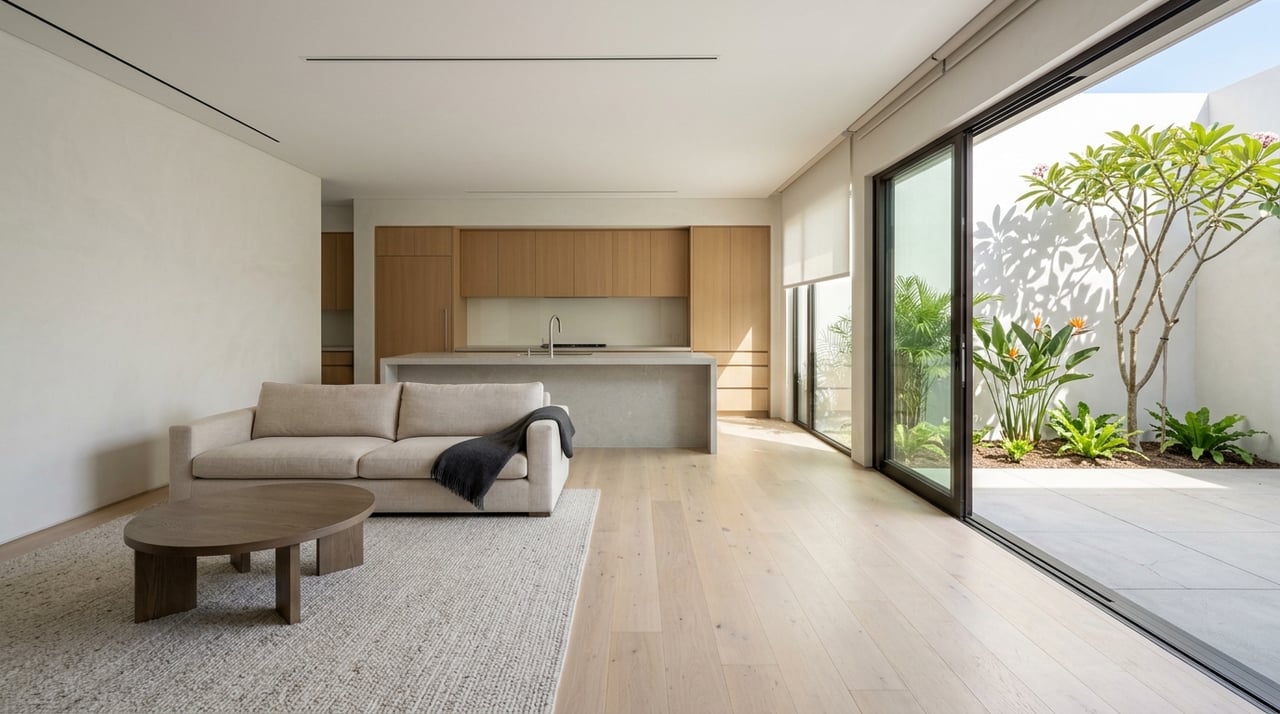
Planning A Move Within Hawaii Kai: Upsizing Or Downsizing Wisely
June 18, 2026
June 18, 2026
Moving within Hawaii Kai can look simple on paper, but the right move often turns on details that are easy to miss. You may be trying to gain square footage, reduce upkeep, or shift into a home that fits your next chapter better. The good news is that a smart plan can help you compare timing, costs, and property type with more confidence. Let’s dive in.
Hawaii Kai is not one uniform housing market. The City and County neighborhood-board boundary stretches from Makapuʻu Point through Kuapa Pond and inland to Maunalua Ridge, and local community descriptions point to a mix of marina-front homes, ridge properties, coastal enclaves, and condo or townhome communities.
That matters because an upsizing move and a downsizing move can lead you into very different parts of Hawaii Kai. Two homes may share the same neighborhood name, but the daily lifestyle, maintenance needs, and financial considerations can look very different.
Before you tour homes, get clear on what you want the next property to solve. More bedrooms may matter, but so might a more manageable layout, fewer stairs, easier parking, or less exterior upkeep.
A same-community move works best when you prioritize function before features. If you know your top two or three goals, it becomes much easier to decide whether a marina home, ridge home, coastal property, or condo community is actually the right fit.
If you are moving up within Hawaii Kai, your list may include:
If you are moving down in size, your goals may include:
One of the biggest planning mistakes is treating all of Hawaii Kai the same. In practice, each pocket can create a different ownership experience.
The Hawaii Kai Marina Community Association describes the marina as a private body of water serving waterfront residences and commercial properties, with access to Maunalua Bay. It is also described as the only Oʻahu community with a large private inland body of water.
For an upsizer, that can mean a compelling mix of views, boating access, and a distinctive setting. For any buyer considering this category, it also means reviewing flood exposure, insurance questions, and marina-specific rules early in the process.
Hawaii Loa Ridge is described by its owners association as a private suburban subdivision with controlled-access roads, a gatehouse, tennis courts, parks, a clubhouse, and roughly 557 homes rising from sea level to just over 1,000 feet on the Koʻolau foothills.
If you are upsizing, this type of setting may appeal if privacy and views are high on your list. If you are downsizing, the geography itself is worth considering carefully, especially if long-term accessibility, slopes, or stairs may affect how practical the home feels over time.
Areas such as Koko Kai and Portlock are described by the Maunalua Triangle Koko Kai Community Association as gently sloping, view-rich, and close to ocean access, including Portlock Beach.
For buyers who want an established coastal setting, these pockets may deserve a closer look. At the same time, coastal risk and flood review should be part of your early screening, not something left to the final stages.
For many downsizers, this is the most natural first stop. But lower-maintenance living should be verified, not assumed.
Community association resources can be especially important here. Kuapa Isle, for example, provides access to governing documents, meeting minutes, disaster-preparedness information, and marina-related materials, which shows how important it is to review rules, reserves, and daily logistics before deciding that a condo or townhome lifestyle is the right tradeoff.
A move within Hawaii Kai often involves two transactions that need to work together. The right sequence depends on which side of the move is harder to secure.
If the replacement home will be harder to find, starting your search before listing your current property may reduce stress. That is especially relevant in Hawaii Kai, where property type and submarket can influence timing more than the broader neighborhood name.
Recent Honolulu Board of REALTORS® data show that in April 2026, median days on market across Oʻahu were 24 days for single-family homes and 38 days for condominiums. The Board also noted that mortgage rates, condo insurance, and affordability were shaping buyer behavior.
Within Hawaii Kai, the pace has been even more specific. In July 2025, Hawaii Kai single-family homes were the fastest-moving region on Oʻahu at a median of 8 days on market. In June 2025, condo pending sales in Hawaii Kai more than doubled year over year, and Hawaii Kai remained among the regions with condo days on market below 30 days.
The takeaway is simple: build your plan around the exact property type and pocket you want, not just around a general assumption about Hawaii Kai.
This is one of the most important strategic choices in a same-community move. Some owners want the certainty of selling first. Others want to secure the next home before letting go of the current one.
Your decision should reflect your finances, risk tolerance, and how rare your target property is. A highly specific marina-front, ridge, or coastal home may justify a different strategy than a move into a broader condo or townhome segment.
Selling first can help you understand your available equity before you commit to the next purchase. It may also reduce the amount of overlap you carry between two homes.
This approach can be useful if your next move is flexible on timing or property type. It can also simplify budgeting when you want to keep your next purchase within a clearly defined range.
Buying first can be helpful when the replacement home is the harder asset to secure. In a market where certain Hawaii Kai homes move quickly, this can give you more control over the outcome.
If you are considering this route, preapproval should happen early. Mortgage guidance from the CFPB notes that many buyers get preapproved when they are ready to shop seriously, and that process can help clarify how much temporary overlap your household can support.
Bridge financing can be relevant if you want to buy before selling. Fannie Mae treats bridge or swing loans as an acceptable source of funds when the loan is not cross-collateralized against the new property and the lender documents the borrower’s ability to carry the new home, current home, bridge loan, and other obligations.
In practical terms, that can help a Hawaii Kai owner make a less contingent offer on the next property. It is not the right fit for every household, but it is a planning option worth discussing early when timing is tight.
If you are moving within Honolulu, property tax planning should be part of your move timeline. It should not be something you handle after the fact.
The City and County of Honolulu says the home exemption generally applies when the property is owned and occupied as your principal home. The claim is generally filed by September 30 before the tax year, and changes such as moving or selling must be reported within 30 days or by November 1.
The exemption amount is $120,000 for owners under age 65 and $160,000 for owners age 65 and older. For long-time owners making a move within Hawaii Kai, that timing can affect the economics of the transition.
This point is especially important in Hawaii Kai because many properties can sit at price points where tax classification matters. Honolulu notes that homes or condos valued at $1 million or more that do not have a home exemption can fall into the Residential A classification.
Under that class, the first $1 million is taxed at $4 per $1,000 of net taxable value, and the portion above $1 million is taxed at $11.40 per $1,000. If you are comparing two ownership paths, this is one of the numbers that deserves close attention.
Even a local move can create layered costs. If you are buying and selling at the same time, your cash needs can be larger than expected.
The CFPB says closing costs typically run about 2% to 5% of the purchase price, excluding the down payment. You may also need funds for moving, repairs, storage, insurance changes, and new household purchases.
For a move within Hawaii Kai, this matters because you may still be carrying your normal monthly expenses while preparing one home and securing another. A detailed budget can make the move feel much more controlled.
For waterfront and low-lying properties, flood review should happen before you get emotionally committed. This is especially true in marina and coastal pockets.
Honolulu’s resilience office directs owners to flood-risk tools and notes that NOAA’s coastal flood mapper color-codes risk. FEMA also identifies its Flood Map Service Center as the official source for National Flood Insurance Program flood-hazard information.
The key planning point is not just whether a property is in a flood zone. It is whether the location, insurance implications, and long-term ownership costs still support your goals.
If you want a cleaner decision-making process, start here:
Upsizing or downsizing within Hawaii Kai is rarely just about square footage. It is about choosing the right micro-location, timing two transactions carefully, and making sure the next property fits your financial and practical goals.
When you plan with precision, you can move within the same community without losing sight of what matters most. If you want a discreet, data-informed strategy for your next Hawaii Kai move, Cedric Choi can help you evaluate your options with care and confidence.
Explore additional stories, insights, and market updates from our team.
Partner with Honolulu luxury real estate leaders for a seamless, results-driven experience backed by global reach.
GET IN TOUCH

ADDRESS 4614 KILAUEA AVE SUITE 201 HONOLULU HI 96816